
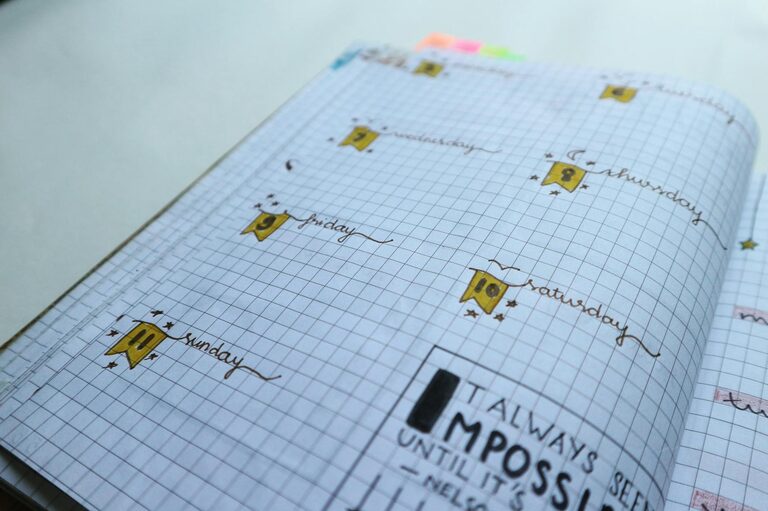
Bullet journaling is a popular method for organizing your tasks, thoughts, and goals in a flexible and creative way. Whether you want to track your habits, plan your week, or simply jot down ideas, a bullet journal can be customized to fit your lifestyle. This beginner’s guide will walk you through the basics of bullet journaling, helping you start your own system without feeling overwhelmed.
What Is Bullet Journaling?
Bullet journaling, often called “BuJo,” was created by Ryder Carroll. It combines a planner, to-do list, diary, and sketchbook into one notebook, using simple symbols called bullets to organize information efficiently. The beauty of bullet journaling lies in its adaptability—you can adjust it to suit your needs, whether you’re a student, professional, or hobbyist.
What You’ll Need to Get Started
Starting a bullet journal doesn’t require many supplies. Here’s what you need:
– Notebook: Any notebook will work, but many prefer dotted or grid pages for flexibility.
– Pen: Choose a reliable pen you enjoy writing with.
– Ruler (optional): Handy for creating straight lines and neat layouts.
– Colored pens or markers (optional): For decorating or color-coding your entries.
Remember, the focus is on functionality and personalization, so keep it simple at first.
Core Components of a Bullet Journal
To create a functional bullet journal, you’ll use several basic sections:
1. Index
The index helps you keep track of where everything is in your journal. Reserve a couple of pages at the beginning for this purpose. Each time you add a new collection or entry, number the page and add it to your index for easy reference.
2. Future Log
This is a place to record upcoming events, appointments, or deadlines that happen in future months. Divide a two-page spread into sections representing each month and jot down key things to remember.
3. Monthly Log
The monthly log provides a quick overview of the current month. It typically includes a calendar-style list of days and events, along with a task list for the month.
4. Daily Log
The daily log captures your daily tasks, events, and notes. You can create one page per day or combine several days depending on your needs.
Understanding Bullet Symbols
Using simple symbols helps you scan your notes quickly. Common bullets include:
– Tasks: Represented by a dot (•)
– Events: Represented by a circle (○)
– Notes: Represented by a dash (–)
Additional symbols help indicate progress:
– Completed tasks: Mark with an “X”
– Migrated tasks: Denote with an arrow (›) when carrying tasks forward
– Scheduled tasks: Mark with a less than sign (<)
Feel free to customize symbols to what makes sense for you.
How to Set Up Your First Bullet Journal
Here’s a step-by-step guide to help you start:
Step 1: Number Your Pages
If your notebook isn’t pre-numbered, number each page. This makes indexing more effective.
Step 2: Create the Index
Reserve the first 2–4 pages for the index.
Step 3: Set Up the Future Log
Divide two pages into 6 boxes (3 per page), one for each upcoming month.
Step 4: Monthly Log
On a new page, list the days of the month vertically down the margin. Next to each day, note important appointments or birthdays. On the opposite page, create a task list for the month.
Step 5: Daily Log
Start your daily logs on the next page. Write the date as a header and list your tasks, events, and notes with bullets. As your day progresses, update the symbols to signify completion or migration.
Tips for Staying Consistent
– Start small: Don’t try to fill every page with designs or layouts at once.
– Review weekly: Spend a few minutes at the end of each week to plan or migrate tasks.
– Experiment: Try different layouts or spreads to find what works best.
– Use color: Color-coding can make your journal easier to navigate and more visually appealing.
– Keep it accessible: Carry your journal with you or keep it where you spend most of your time.
Fun Ideas to Customize Your Bullet Journal
Bullet journaling is not just practical; it’s a creative outlet. Here are some ideas to personalize your pages:
– Habit trackers: Track habits like drinking water, exercising, or reading.
– Mood trackers: Record your daily mood with colors or icons.
– Gratitude logs: Write down things you are grateful for each day.
– Brain dump pages: Use empty pages to jot down random thoughts or ideas.
– Goal setting: Break down big goals into manageable steps.
– Meal planning: Plan your weekly meals and grocery lists.
Common Challenges and How to Overcome Them
Feeling Overwhelmed
Starting a bullet journal can feel intimidating but remember, it doesn’t have to be perfect. Focus on functionality rather than aesthetics.
Missing Days
If you miss a day or two, don’t stress. Use your next few pages and adjust your index accordingly. The journal should serve you, not the other way around.
Running Out of Space
If you find certain sections growing quickly, create a dedicated spread for that topic, and add it to your index.
Final Thoughts
Bullet journaling is a flexible and rewarding way to organize your life, track your goals, and express creativity. The key is to start simple, be consistent, and make your journal your own. With a little practice, you’ll find it’s more than just a notebook—it’s a powerful tool for managing your time and thoughts with clarity and creativity.
Start your bullet journaling journey today, and discover a system that really works for you!