
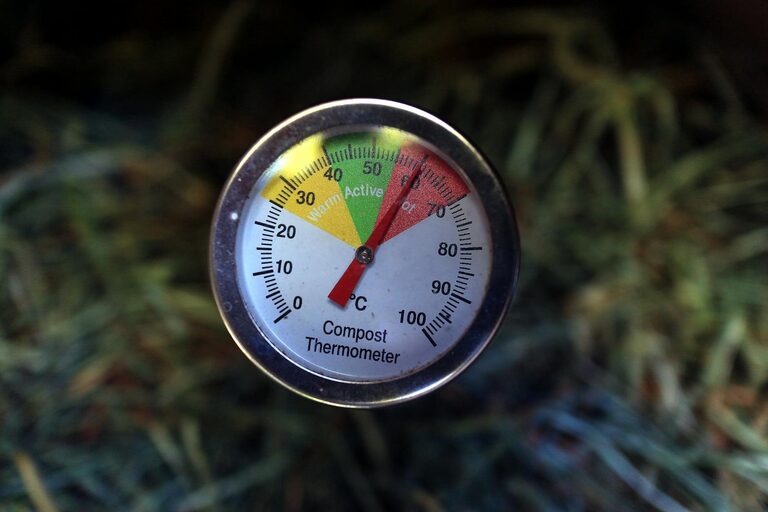
Composting at home is a fantastic way to reduce waste, enrich your garden soil, and contribute to a healthier environment. If you’re new to composting, the process may seem a bit confusing, but with a few simple tips, you can quickly get started and enjoy its many benefits. This guide breaks down beginner-friendly advice for successful home composting.
Why Composting Matters
Composting helps recycle organic waste like food scraps and yard clippings into nutrient-rich compost. This reduces landfill waste, lowers greenhouse gas emissions, and creates natural fertilizer that nurtures plants. By composting at home, you contribute to sustainability and support your own gardening efforts.
Getting Started: What You Need
Choose Your Composting Method
There are a few common ways to compost at home:
– Compost bin: A contained unit that manages materials neatly.
– Compost pile: A simple heap in your yard.
– Tumbler: A rotating bin that speeds up decomposition.
– Vermicomposting: Using worms to break down waste indoors.
Pick the method that suits your space, lifestyle, and preferences.
Select a Location
Pick a dry, shaded spot outdoors that is convenient to access but won’t attract pests or produce odors near your home.
Gather Supplies
– Compost bin or container (or build your own)
– Kitchen scraps: fruit, vegetable peels, coffee grounds
– Yard waste: leaves, grass clippings, small twigs
– Water source (for moistening the compost)
– Garden fork or shovel (for turning the compost)
What to Compost: The Basics
For healthy compost, balance “greens” and “browns.”
– Greens are nitrogen-rich materials like vegetable scraps, coffee grounds, and fresh grass clippings.
– Browns are carbon-rich materials like dry leaves, straw, paper, and cardboard.
Aim for about 2 to 3 parts browns to 1 part greens.
Items to Compost
– Fruit and vegetable scraps (no meat or dairy)
– Coffee grounds and filters
– Eggshells
– Tea bags (make sure they’re compostable)
– Grass clippings
– Dry leaves and small twigs
– Newspaper and cardboard (shredded)
Avoid Composting
– Meat, bones, and dairy products (attract pests)
– Oils and fats
– Diseased plants
– Pet waste
– Treated wood or synthetic materials
How to Compost: Step-by-Step
1. Layering
Start with a layer of coarse materials like twigs or straw to help aeration. Then alternate layers of greens and browns.
2. Moisture
Compost should be about as damp as a wrung-out sponge. Add water if too dry, or dry materials if too wet.
3. Aerate
Turn your compost every 1-2 weeks to introduce oxygen, which speeds up decomposition and prevents odors.
4. Patience
Depending on conditions and materials, compost can take from 2 months to a year to fully break down.
Troubleshooting Common Issues
– Smelly compost: Usually too wet or too many greens; add more browns and turn it.
– Slow decomposition: May be too dry or compacted; add water and aerate.
– Pests: Avoid meat and dairy; secure your bin and bury food scraps under brown layers.
– Compost too dry: Water gently and mix materials.
Using Your Finished Compost
Your compost is ready when it looks dark, crumbly, and earthy, with no recognizable food pieces.
Use it to:
– Enrich garden beds and flower pots
– Mulch around plants to retain moisture
– Improve soil structure and fertility
Additional Tips for Success
– Chop or shred larger materials to speed up breakdown.
– Keep a small container in your kitchen with a lid to collect scraps easily.
– If outdoor space is limited, consider worm composting indoors.
– Learn from local gardening groups or extension services for regional advice.
Final Thoughts
Composting at home is a rewarding, eco-friendly practice that helps reduce waste and boost your garden’s health. Starting simple and following the tips above will set you up for composting success. Over time, you’ll find it’s an easy habit that makes a big difference.
Happy composting!