
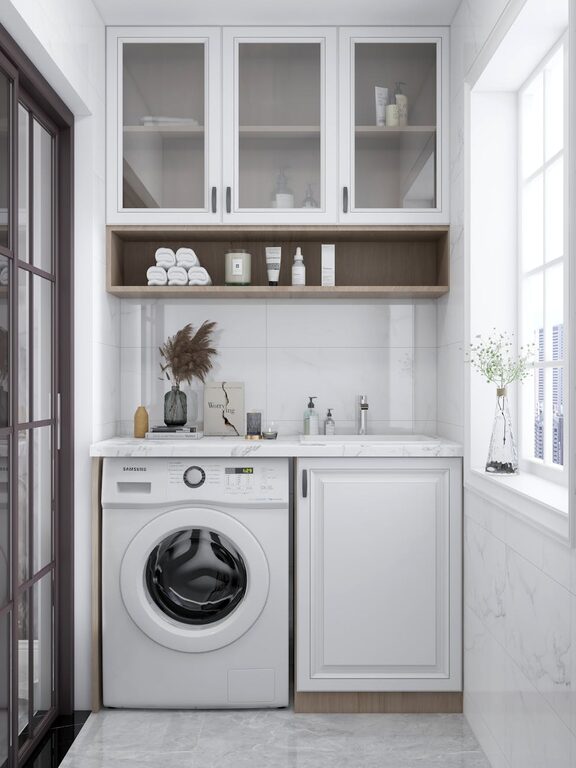
Creating a peaceful and serene atmosphere in your home starts with the colors you choose. Calm colors have a wonderful way of reducing stress, enhancing comfort, and making your living spaces feel more welcoming. Whether you’re repainting a single room or refreshing your entire home, selecting the right hues can transform your surroundings into a soothing retreat. In this post, we’ll explore helpful tips for choosing calm colors that suit your style and promote tranquility.
Understanding the Power of Calm Colors
Colors have a strong influence on mood and emotions. Calm colors usually fall into soft, muted tones and cooler shades known for their relaxing effects. These include pastels, neutrals, and certain blues, greens, and soft greys. Unlike bright, bold colors, calm hues tend to reduce visual noise and help you feel more centered.
Popular Calm Color Choices
– Soft Blues: Evoke a sense of calm similar to the sky or ocean.
– Gentle Greens: Bring a natural and refreshing vibe.
– Warm Neutrals: Beige, taupe, and soft browns add warmth without overwhelming.
– Light Greys: Offer modern sophistication with a subtle calmness.
– Lavender and Soft Purples: Promote relaxation and creativity.
Tips for Choosing the Right Calm Colors
1. Consider the Room's Purpose
Think about how you use each room. Bedrooms and bathrooms benefit from peaceful colors like pale blues or greens that encourage rest. Living rooms and kitchens may welcome warmer neutrals or gentle pastels that create a cozy environment.
2. Test Colors in Natural Light
Colors can look very different depending on the lighting. Test your chosen paint or wallpaper samples at different times of the day in the rooms you want to update. This helps ensure the colors maintain their calming effect both in daylight and at night.
3. Use Color Palettes to Coordinate
Create a balanced look by pairing calm colors with complementary shades. For example, combine soft grey walls with white trim and pastel accents. Tools like online color palette generators can help you find harmonious combinations that feel cohesive.
4. Don’t Be Afraid of Neutrals
Neutral colors aren’t boring—they’re versatile and form a peaceful foundation. Shades of cream, beige, and warm grey can make small rooms feel bigger and more open, helping to maintain a soothing ambiance.
5. Limit Bold Accents
If you love brighter colors, incorporate them in small doses through pillows, artwork, or rugs rather than dominating the walls. This keeps the overall feel calm while allowing your personality to shine.
6. Consider Finish and Texture
Matte and satin paints diffuse light softly, adding to the sense of calm. Additionally, textured wall treatments or soft fabrics can make a space feel cozy without overwhelming the calm color scheme.
How to Bring Calm Colors Into Your Home
Start with Walls
Paint is the most straightforward way to change a room’s mood. Choose calm colors tailored to the natural lighting and purpose of each space.
Add Soft Furnishings
Use cushions, curtains, rugs, and upholstery in your chosen calm colors to complement your walls and add layers of softness.
Incorporate Natural Elements
Wood tones, plants, and natural fibers pair beautifully with calm palettes and enhance the sense of tranquility.
Use Lighting Wisely
Soft, warm lighting accentuates calm colors and creates a relaxing environment. Avoid harsh fluorescents and opt for dimmable lamps or warm LED bulbs.
Final Thoughts
Selecting calm colors for your home is a rewarding process that can significantly impact your daily well-being. By choosing hues that promote peace and relaxation, testing samples in natural light, and thoughtfully combining colors and textures, you can create a home environment where you can truly unwind. Remember, the best calm color scheme is one that reflects your taste while supporting a serene atmosphere.
Take your time, experiment, and enjoy the journey to a more peaceful living space!